Blog
Exploring Sylhet: A Memorable Journey
Table of Contents
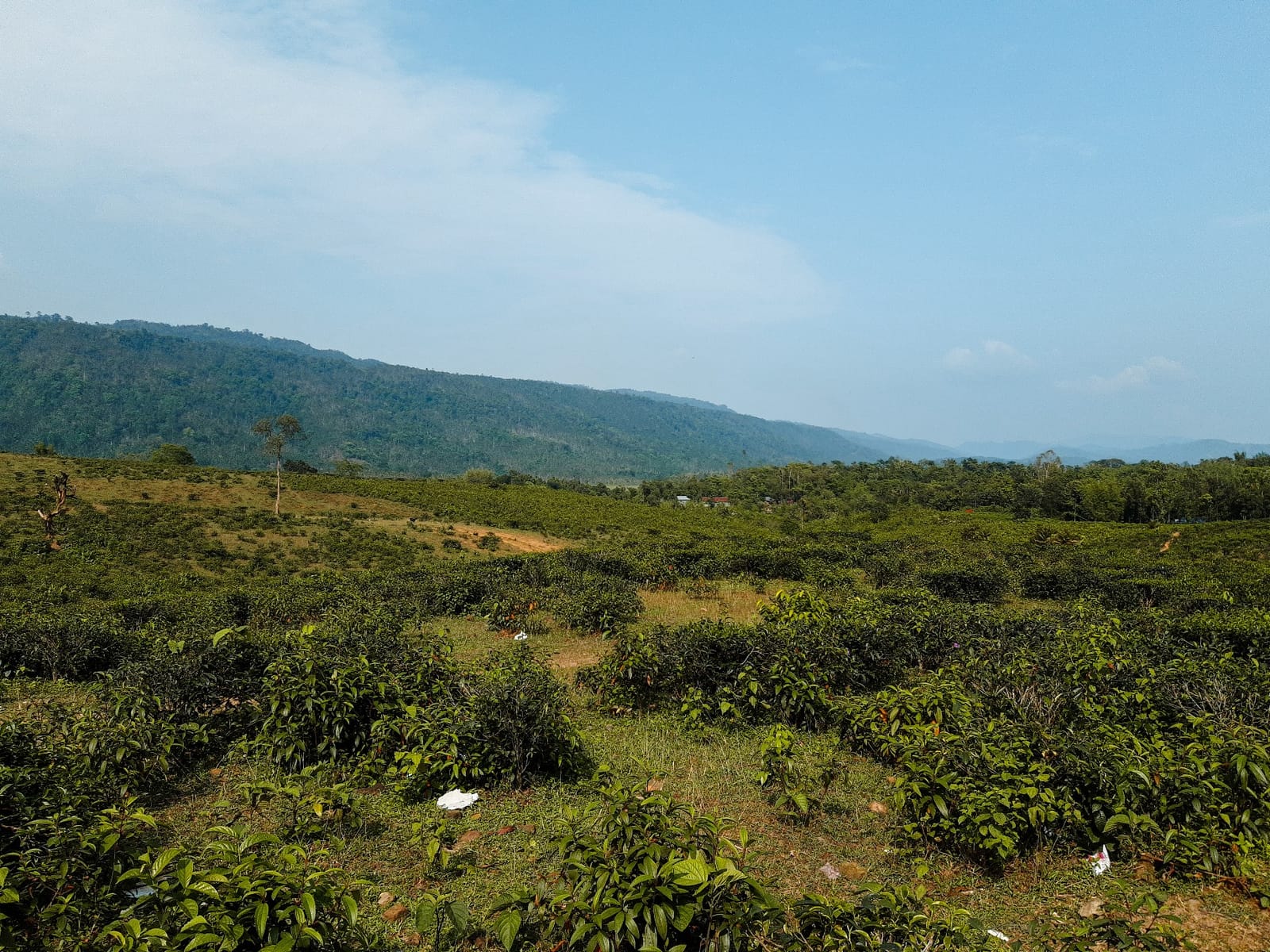
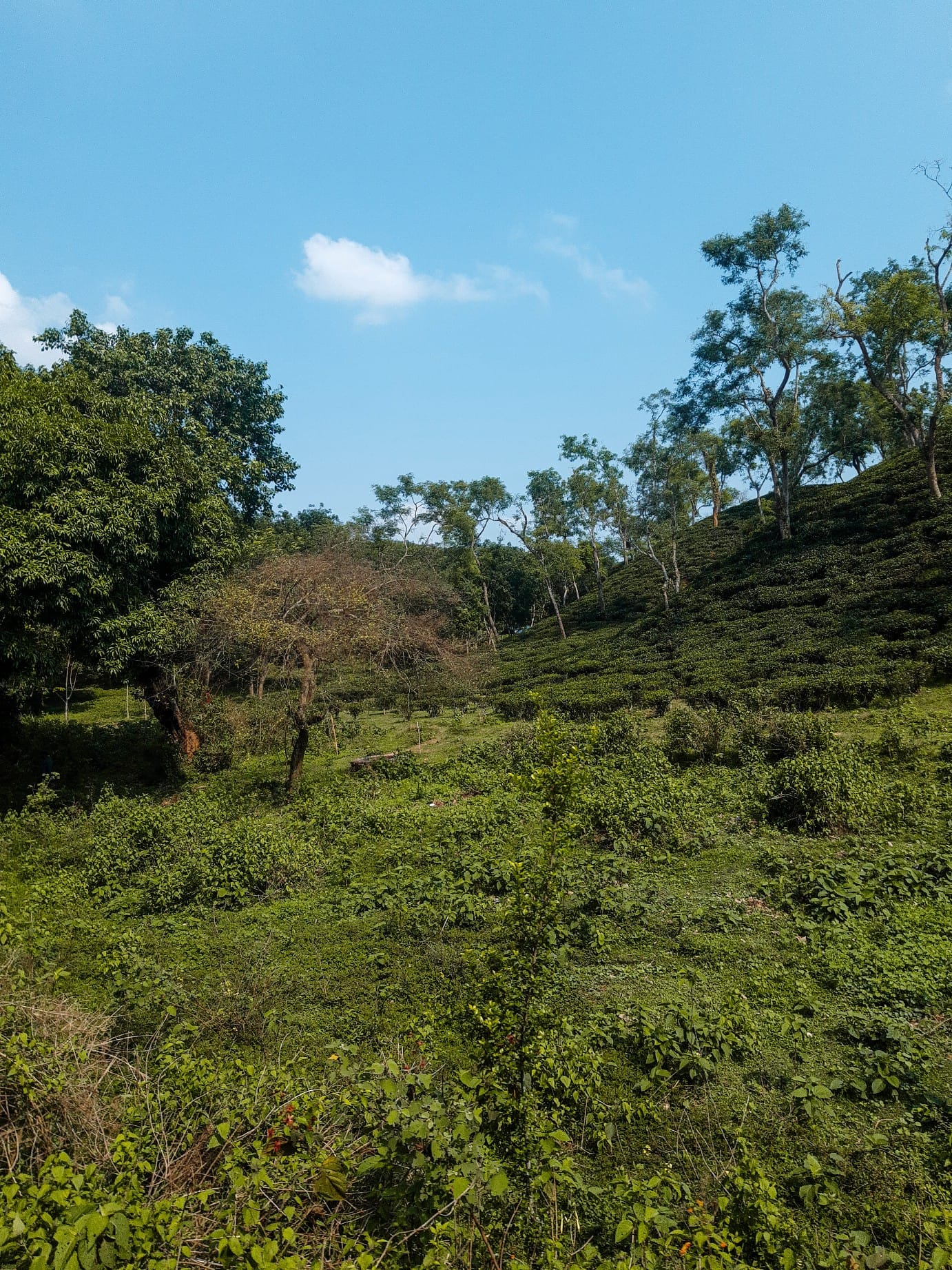
In early May, a few of my friends and I decided to take a short trip to another part of Bangladesh — Sylhet. Often described as the green heart of the country, Sylhet is known for its rolling tea gardens, rivers, hills, and calm atmosphere.
The region plays an important role in Bangladesh’s economy, especially through tea production and various cottage industries such as bamboo and cane work. Beyond that, Sylhet carries a quiet charm — slower, greener, and noticeably different from the busy rhythm of the capital.
This post is a reflection on those days.
Choosing Sylhet: Discovering a Different Side of Bangladesh

Sylhet has a reputation of its own. Many Sylhetis live abroad, and the city feels relatively developed and well-connected. Located in eastern Bangladesh along the Surma River, Sylhet is also known for its spiritual and historical importance.
The shrine of Hazrat Shah Jalal, a 14th-century Sufi saint, remains one of the region’s most important pilgrimage sites. Around the city, there are countless natural attractions — rivers, hills, forests, and border landscapes that make Sylhet a favourite for travellers.
Some of the well-known places include:
- Jaflong
- Ratargul Swamp Forest
- Khadimnagar National Park
- Lalakhal
- Tanguar Haor
- Sreemangal
- Panthumai
- Luvachora
- Bisnakandi
- Bholaganj
Journey by Rail: An Eight-Hour Train Ride
We travelled to Sylhet by train — a journey of roughly eight hours. It was my first ever train ride, which made the experience even more special.
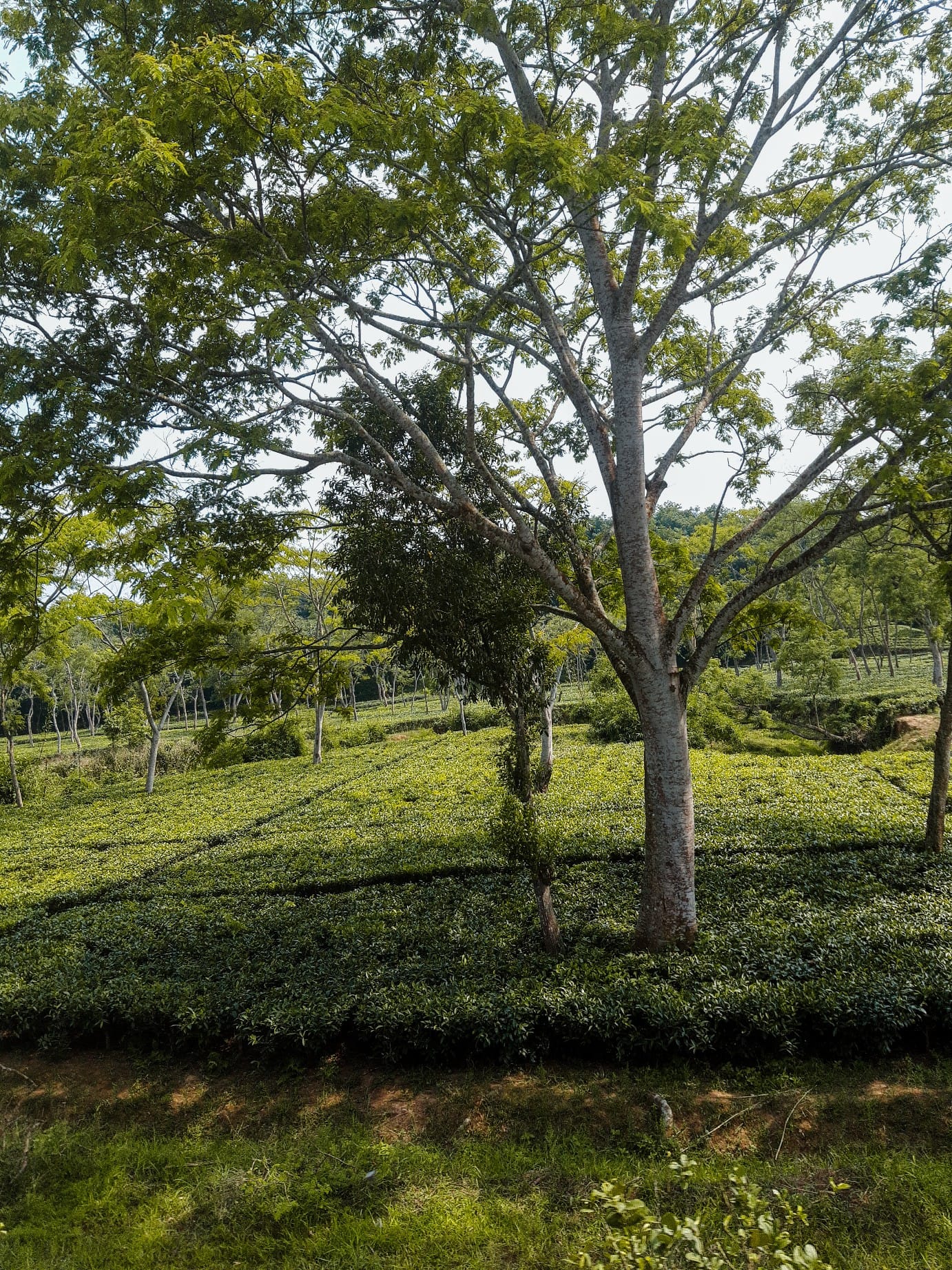
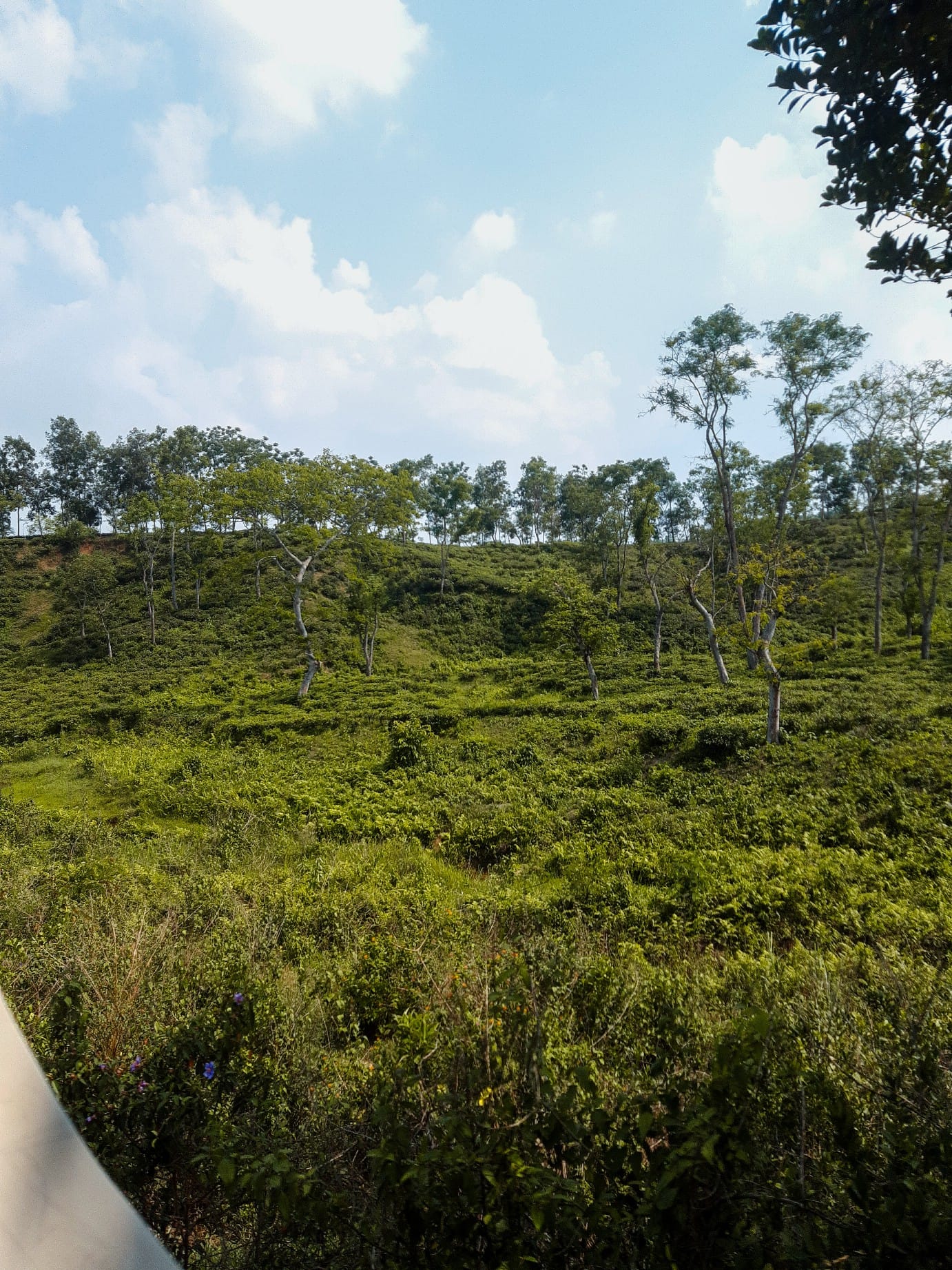
The journey was slow, peaceful, and surprisingly enjoyable. Watching the scenery change through the window — fields, villages, and endless greenery — felt calming in a way road travel rarely does.
Finding a Place to Rest
We were fortunate to meet fellow travellers who were also heading to Sylhet. They turned out to be incredibly helpful — answering questions, sharing advice, and guiding us when we needed it.
After a long and tiring journey, we finally arrived in the city and made our way towards the area near Hazrat Shah Jalal Mazar, searching for a place to stay. Eventually, we found a simple hotel that suited us perfectly — nothing fancy, but comfortable and welcoming.
That evening, after dinner, we visited the shrine of Hazrat Shah Jalal. The place had a calm, spiritual atmosphere that’s difficult to describe properly. After the Esha prayer, exhaustion caught up with us, and we returned to the hotel to rest.
Exploring Jaflong: A Day Trip Near the Border
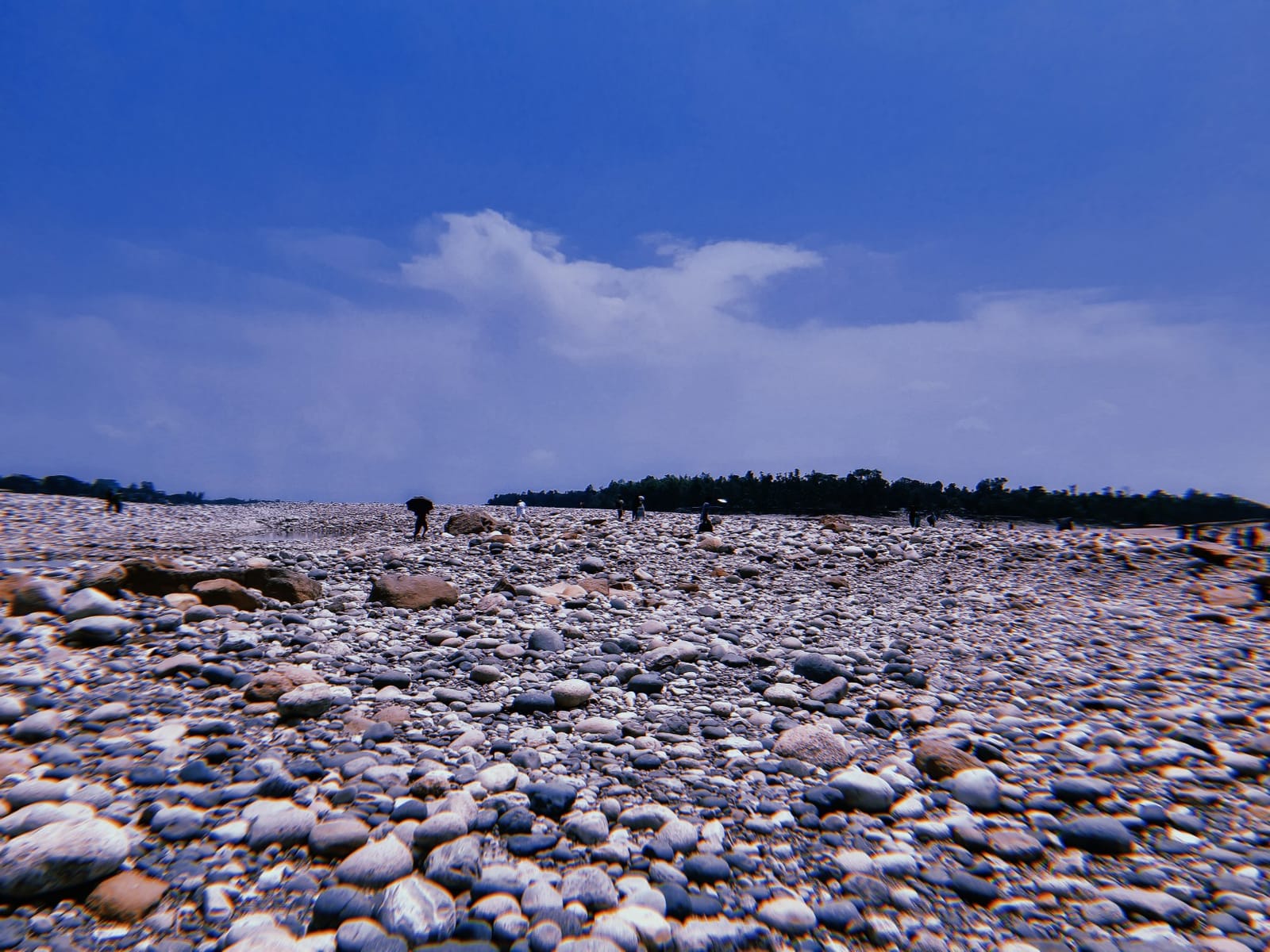
The next morning, we woke up early, had breakfast, and prepared for a day trip to Jaflong, located more than 60 kilometres from the city. The journey took around two and a half hours.
As we travelled further, the landscape changed — hills rose in the distance, and it became clear how close we were to the Indian border. The view was surreal.
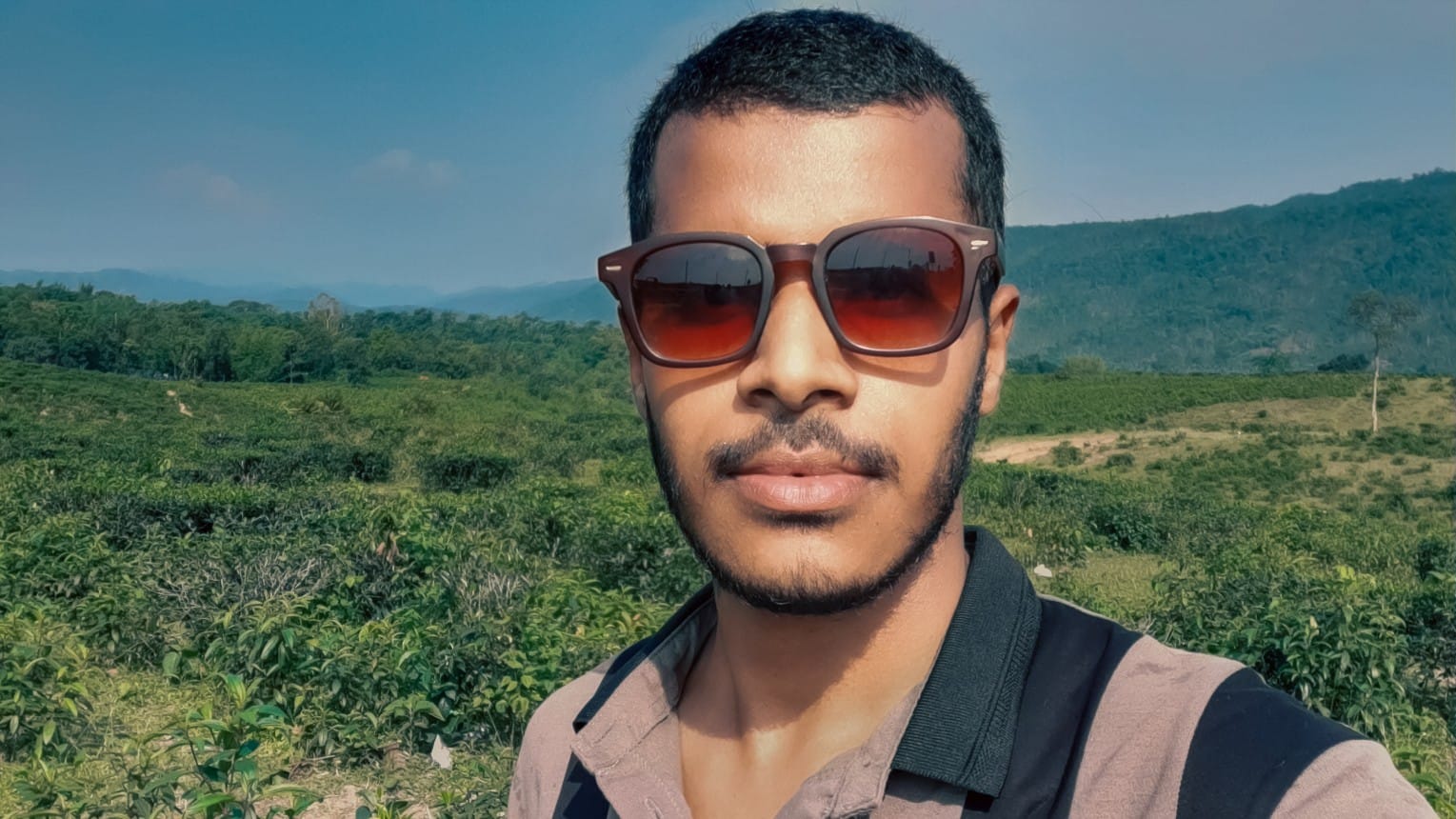
Cold water flowed over stone beds, surrounded by hills and greenery. The combination of rushing water, rocks, and open sky felt refreshing and grounding.

Conclusion: A Short Yet Meaningful Trip
In the end, it was a short journey — but one filled with laughter, discovery, and quiet moments. Sylhet offered us something different: calm landscapes, slow travel, and a chance to pause.
Sometimes, that’s all a trip needs to be.
Related reading
You might also enjoy these